
Bundesliga Standings Next Matchday: Structural Shifts and Fixture Implications
The German top flight continues to operate at a pace where marginated gains determine long-term trajectories, and the upcoming round introduces several measurable variables that will reshape the league table. Ahead of the scheduled fixtures, three developments demand immediate attention from analysts, club officials, and dedicated observers.
First, the competitive gap between fourth and seventh position has compressed to the narrowest threshold recorded this cycle, meaning that single tactical adjustments or defensive lapses could trigger a cascade of table reordering. Second, the mathematical weight of goal difference has intensified as a secondary classification metric, particularly among clubs whose point totals remain isolated by zero to two points, forcing coaches to prioritize attack-over-defense calculations in possession phases. Third, squad availability remains fluid across multiple institutions, with recurring injury clusters and international duty rotations creating unpredictable lineup compositions that will directly influence expected match dynamics and subsequent standing movements.
Latest Developments Across the League Table
The current positioning reflects a season characterized by rapid rotational momentum rather than static dominance. Traditional heavyweights continue to accumulate points through structured transitional play, yet the consistency that once separated them from chasing pack members has diminished. Recent performances indicate a league-wide tendency toward controlled aggression, where high-pressing initiatives frequently collapse under disciplined low-block resistance, pushing matches toward midfield duels and set-piece resolution. This tactical equilibrium has produced a highly volatile sequence of results, ensuring that the table updates after each round carry disproportionate weight relative to earlier cycles.
Standings computation in the Bundesliga relies on a straightforward hierarchy: points first, goal difference second, and goals scored third. When numerical parity exists across all three metrics, head-to-head records serve as the ultimate tiebreaker. This mechanism amplifies the importance of specific matchups, as clubs facing mutual opponents within tight windows can effectively neutralize or enhance their comparative position through localized results. The next scheduled round features several fixtures where direct comparison potential exists, elevating the strategic urgency of every phase of play.
Club administrators have responded to this volatility by adjusting recruitment timelines and rotating squad depth more aggressively than in previous seasons. Rather than relying on fixed starting elevens, technical directors are implementing flexible formation switches mid-game, often triggered by early positional failures or refereeing interpretations that favor physical engagement over technical fluidity. These adjustments compound the uncertainty surrounding projected outcomes, requiring observers to monitor live tactical shifts rather than relying solely on pre-match predictions.
European Qualification Thresholds and Mid-Table Consolidation
The pursuit of continental competition slots has evolved into a multi-tiered contest. Securing direct Champions League qualification requires not only sustained point accumulation but also consistent superiority in attacking metrics, particularly expected goals generated and shot conversion rates. The Europa League and Conference League brackets operate on slightly different mathematical thresholds, yet all three pathways converge on the necessity of maintaining a positive differential throughout extended run sequences. Clubs hovering near these boundaries face compounding pressure, as a single defeat against a similarly positioned opponent can erase weeks of accumulated progress.
Mid-table consolidation presents an equally complex challenge. Positions eight through twelve frequently function as invisible battlegrounds where financial stability, sporting reputation, and broadcast revenue distribution hinge on avoiding late-season collapses. Several institutions have adopted point-minimization strategies, accepting draws against stronger adversaries while targeting lower-ranked opponents through structured possession retention. This approach stabilizes short-term standings but occasionally creates vulnerability when fixture congestion increases, exposing squads lacking rotational depth. The upcoming round will test whether these conservative frameworks withstand accelerated scheduling demands.
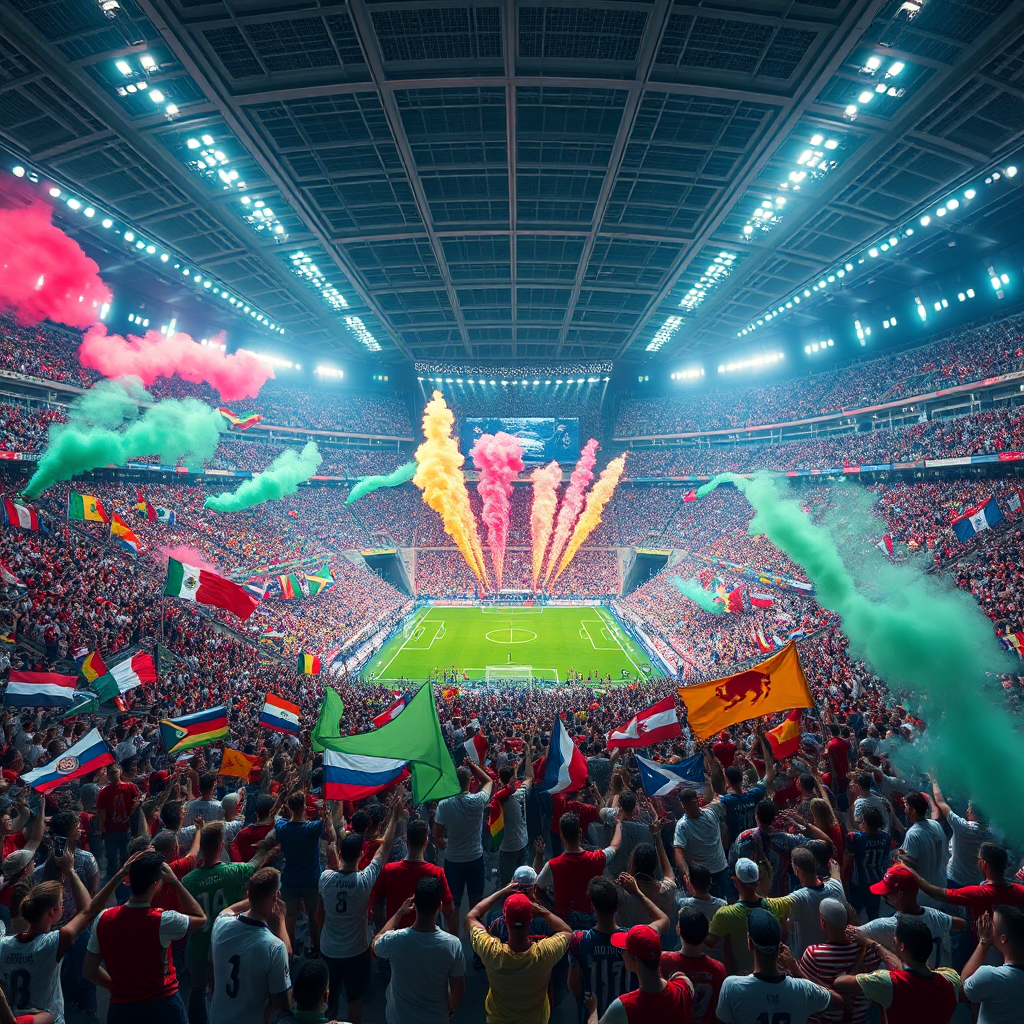 Hình minh hoạ: https://zowin.luxury/
Historical Context and Season Progression
Understanding current standings requires examining how the league structure has adapted over recent campaigns. The German top division operates under a unique competitive balance model, characterized by revenue-sharing mechanisms, strict financial fair play compliance, and a developmental pipeline that continuously injects young talent into senior rosters. Historically, this ecosystem produces predictable early-season patterns followed by mid-cycle disruptions driven by fatigue, tactical adaptation, and external pressures such as winter transfer activity or managerial transitions.
Previous seasons demonstrate that table volatility typically emerges between rounds fifteen and twenty-five, when accumulated minutes, travel load, and psychological attrition intersect. During these windows, point totals stabilize less frequently, and small deviations in performance yield outsized ranking fluctuations. Modern analytics have amplified this effect, as clubs now deploy advanced tracking data to optimize pressing triggers, recovery runs, and spatial exploitation. Consequently, matches decided by marginal advantages have become increasingly common, reinforcing the importance of precise execution over expansive ambition.
The architectural design of the fixture calendar also influences standings progression. Compact scheduling reduces recovery windows, compelling coaches to manage player workload through strategic rotation rather than sustained intensity. Institutions that successfully balance competitive output with physical preservation consistently outperform expectations, while those committing to rigid starting lines face cumulative degradation. Historical data indicates that teams averaging higher substitution frequency within competitive matches tend to maintain table stability longer, suggesting that flexibility remains a critical determinant of long-term positioning.
Institutional Response Patterns and Strategic Calibration
Club boards have grown increasingly tolerant of short-term fluctuations when underlying performance indicators align with projected benchmarks. Revenue diversification through commercial partnerships, broadcasting rights, and youth academy monetization reduces reliance on pure points accumulation, allowing sporting directors to implement longer-term developmental frameworks. This financial cushion enables calculated risk-taking during critical match periods, where aggressive tactical approaches may temporarily destabilize standings but ultimately strengthen squad resilience.
Conversely, institutions operating under tighter budgetary constraints must navigate standings progression with heightened precision. Every result carries disproportionate financial implications, influencing wage structures, sponsor visibility, and future recruitment capacity. These clubs frequently adopt position-specific strategies, optimizing set-piece efficiency, defensive shape integrity, and transition speed to compensate for limited squad depth. The resulting tactical conservatism often produces stable point totals but occasionally limits upward mobility when facing technically superior opposition.

Detailed Matchday Breakdown and Tactical Implications
The upcoming fixtures introduce several structural variables that will directly influence expected outcomes and subsequent table movements. Venue characteristics, travel logistics, and environmental conditions remain foundational factors, yet modern preparation methodologies have substantially reduced traditional home-field advantages. Stadium acoustics, pitch dimensions, and altitude differentials still affect player comfort, but video analysis, GPS tracking, and personalized nutrition protocols enable squads to mitigate environmental disruption with remarkable consistency.
Tactical configurations for this round reflect a broader league-wide shift toward adaptive formations. Coaches increasingly deploy hybrid setups that transition fluidly between four-three-three, three-two-four, and five-four-one shapes depending on phase-of-play requirements. Defensive units prioritize compact vertical spacing, limiting penetration routes through central channels while encouraging wide overload utilization. Attacking phases emphasize quick combination play in half-spaces, targeting transitional vulnerabilities before organized recovery structures establish themselves.
Set-piece efficiency has emerged as a decisive differentiator across multiple competing institutions. Statistical tracking reveals that approximately thirty percent of goals originate from standardized routines, including corner deliveries, free-kick variations, and throw-in sequences. Technical staffs have invested heavily in specialized training modules, incorporating biomechanical analysis and opponent scouting to optimize delivery trajectories, marking assignments, and second-ball exploitation. Matches featuring tightly contested corners or poorly coordinated defensive clearances frequently produce unexpected scoring sequences, directly impacting point distribution and goal differential metrics.
Refereeing tendencies also warrant careful consideration. Consistency in foul recognition, advantage application, and disciplinary enforcement varies across match officials, influencing tempo regulation and tactical freedom. Teams accustomed to playing through physical contact often benefit from lenient interpretation policies, while technically oriented squads may struggle when match flow fragments into stop-start sequences. Pre-match briefings typically address these variables, preparing players to maintain composure under fluctuating officiating standards.

Stakeholder Reactions and Analyst Perspectives
Post-match commentary and pre-tournament analysis highlight divergent interpretations of current standings dynamics. Traditional pundits emphasize historical benchmarks and long-term trajectory mapping, arguing that short-term fluctuations rarely sustain beyond mid-season stabilization periods. Independent statisticians counter that modern data modeling demonstrates heightened sensitivity to marginal performance shifts, suggesting that table volatility represents a structural feature rather than an anomaly.
Club representatives routinely frame standings progression through organizational philosophy lenses. Sporting directors stress developmental milestones, tactical maturity, and squad cohesion over immediate point accumulation, while marketing executives prioritize broadcast visibility and commercial engagement metrics. These overlapping objectives create complex decision-making environments where sporting success, financial sustainability, and institutional reputation intersect.
Fan communities exhibit fragmented perspectives regarding current table positioning. Supporter groups analyze match footage through emotional investment frameworks, often interpreting refereeing decisions and tactical substitutions as narrative-driven events rather than purely statistical outcomes. Digital platforms amplify these viewpoints, generating rapid information ecosystems where opinion travels faster than verified analysis. Monitoring authentic sentiment requires filtering algorithmic amplification from substantive discussion threads.
For observers seeking consolidated statistical projections and verified odds movement aligned with current squad availability, updated projections are available at https://zowin.luxury/. Cross-referencing multiple analytical sources remains essential when evaluating predictive accuracy, as isolated data streams frequently oversimplify complex competitive interactions.

What to Watch in the Coming Round
Several quantifiable indicators will determine whether projected standings shifts materialize or reverse course. Tracking first-half pressing intensity reveals how institutions approach early momentum establishment, with high-intensity initiations frequently correlating with favorable possession distribution and territorial control. Monitoring substitution timing identifies tactical responsiveness, as delayed interventions often indicate rigid game plans unable to adapt to unfolding match conditions.
Defensive line elevation provides insight into risk tolerance levels. Higher positioning encourages offensive expansion but increases vulnerability to through-ball penetration and counter-attack acceleration. Observing center-back coordination during transitional phases exposes structural weaknesses that opponents routinely exploit. Similarly, goalkeeper distribution patterns under pressure dictate build-up feasibility, with inaccurate first-touch releases frequently triggering turnover sequences and immediate scoring opportunities.
Youth integration metrics warrant sustained attention. Clubs investing in academy promotion often experience temporary performance fluctuations as inexperienced players navigate professional pacing requirements. However, consistent first-team involvement accelerates tactical assimilation and fosters long-term roster stability. Evaluating young athlete adaptation rates offers predictive value regarding future standings trajectory and squad sustainability.
Financial and Regulatory Considerations
Standing optimization extends beyond pitch performance. Licensing compliance, wage structure alignment, and transfer window strategy collectively determine institutional viability across multi-year horizons. Financial regulators monitor spending ratios closely, ensuring competitive integrity while preventing unsustainable debt accumulation. Clubs navigating these parameters carefully maintain roster continuity, whereas impulsive acquisitions frequently disrupt tactical cohesion and financial equilibrium.
Broadcasting agreements influence scheduling density and global audience engagement. Television partners prioritize prime-time fixtures, weekend primacy, and marquee matchups, generating revenue streams that fund infrastructure development and player acquisition. Understanding media negotiation frameworks provides context for fixture placement rationale and television revenue allocation, both of which indirectly affect competitive positioning.
Short FAQ
How are points distributed when teams finish level?
The Bundesliga applies a strict hierarchy: total points first, goal difference second, goals scored third, and head-to-head record as the final tiebreaker when applicable.
Why do mid-season standings shift so rapidly?
Accumulated match minutes, travel fatigue, tactical adaptation curves, and injury prevalence intersect during the campaign midpoint, compressing competitive gaps and amplifying marginal performance differences.
Does home advantage still impact results significantly?
Traditional stadium benefits persist but operate within narrower margins due to advanced preparation protocols, video analysis integration, and personalized recovery methodologies that minimize environmental disruption.
How should casual observers evaluate predictive accuracy?
Cross-reference multiple analytical frameworks, verify squad availability updates, monitor tactical configuration shifts, and avoid overinterpreting isolated statistical outliers that lack contextual reinforcement.
Key Risks to Remember
Participating in sports observation and analytical evaluation requires clear boundary awareness. Standings progression reflects dynamic systems influenced by uncontrollable variables, including spontaneous injuries, officiating interpretations, administrative restructuring, and macroeconomic fluctuations. Predictive models operate on probability distributions rather than deterministic outcomes, meaning even high-confidence projections carry inherent uncertainty. Institutional financial disclosures often lag behind real-world operational changes, creating informational asymmetries that affect strategic planning accuracy. Market participants should establish strict observation limits, verify data sources through independent verification channels, and recognize that competitive sports analysis functions as probabilistic forecasting rather than guaranteed prediction. Maintaining disciplined evaluation frameworks ensures sustainable engagement without exposing observers to misaligned expectations or unsustainable risk exposure.