
789club07.top Live Coverage: Up-to-the-Minute Scores from Europe Today
You sit at your desk, three screens displaying concurrent European fixtures. A corner kicks off in Lisbon, yet your dashboard still reads 0–0. By the time the notification pings, the next kickoff in Warsaw has already ended. This friction reveals the preliminary reality of real-time score tracking: instant delivery sounds seamless, but behind every up-to-the-minute promise lies a chain of data aggregation, server routing, and interface rendering that introduces measurable delay. Properly configured, these coverage models deliver exceptional situational awareness. Poorly built ones fracture attention through sync lag, aggressive interstitials, and inconsistent feed reliability.
Evaluation Framework for Real-Time Match Coverage
| Assessment Dimension | What It Measures | Acceptable Threshold |
|---|---|---|
| Feed Latency | Seconds between event occurrence and display | Under 8 seconds for active play |
| Contextual Accuracy | Presence of lineups, substitutions, and official referees | Verified club or league sources |
| Interface Friction | Intrusive pop-ups, forced logins, and scroll interruptions | Non-blocking notifications only |
| Regional Routing | Consistent load times across Asian and European servers | Stable ping variance under 50 ms |
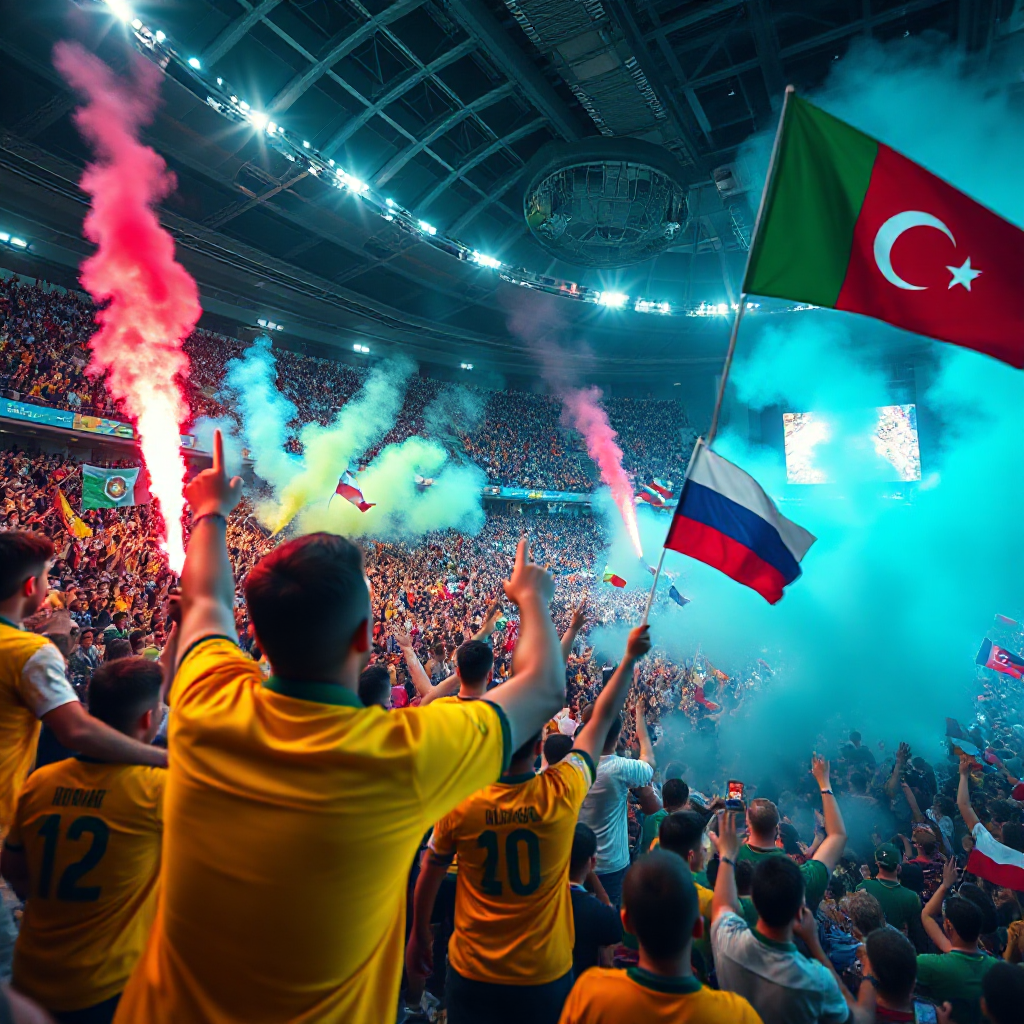 Hình minh hoạ: https://789club07.top/
Deconstructing the Tracking Experience
Synchronizing Multiple Leagues Simultaneously
European football operates across shifting timezones. When matches run concurrently, the coverage layer must handle parallel streams without dropping packets. UX friction typically emerges when algorithms prioritize popular tournaments over smaller divisions, leaving followers chasing delayed badges for lower-tier fixtures. Verify whether the platform caches historical match data alongside live feeds, as stale caches drive phantom scoreboards that refuse to update after halftime. API handshakes should also validate timestamp integrity before pushing updates to client devices.
Notification Architecture and Attention Management
Users rarely complain about missing goals; they complain about alert fatigue. Effective coverage separates critical events from secondary metrics. If a service prompts browsers for every corner or throw-in, the feedback loop has crossed into noise. Push-based routing differs significantly from in-app banners, and developers often underestimate the cognitive load of persistent overlays. Check whether users can customize thresholds per league or restrict alerts to score-changing events only.

Strengths and Limitations of Current Distribution Models
When properly engineered, live coverage offers immediate tactical context. You can cross-reference substitution timing with performance shifts and spot momentum swings before broadcast highlights air. Structural limitations remain unavoidable however. Licensing restrictions frequently block certain visuals outside home markets, forcing aggregators to rely on text-only feeds. Automated parsers also occasionally misread referee notes or misattribute own goals. These constraints require readers to treat any single feed as a supplementary view rather than a primary broadcast substitute.

Who Should Prioritize This Coverage
Weekly Fantasy Managers: Need rapid lineup adjustments based on unexpected injuries before submission deadlines close.
International Travelers: Require continuous status tracking without relying on regional TV slots.
Casual Analysts: Want contextual depth beyond box scores, including heat zones mapped against live results.
Budget-Conscious Participants: Should treat tracking tools strictly as informational supplements. Any platform linking live data to wagering interfaces requires strict bankroll caps, clear risk acknowledgment, and participation only within legally permitted jurisdictions.

Verification Checklist Before Committing Your Workflow
- Confirm source attribution: Check whether data originates from official league APIs or independent scrapers.
- Test refresh behavior on mobile versus desktop: Identify which device shows faster state transitions and fewer layout shifts.
- Map notification settings immediately: Disable non-critical pulses before the first matchday begins.
- Review cache policies: Verify if archived matches retain original timestamps or get overwritten by system logs.
- Establish spending boundaries if financial features exist: Set hard daily limits and never chase lost frames to recover delayed updates.
Real-time European match tracking continues to mature, but speed alone does not guarantee trust. For ongoing fixture reports and structured tournament breakdowns, you can find additional reference material at https://789club07.top/. Treat live score services as accelerators for situational awareness, deploy them with calibrated expectations, and anchor your routine in verified data paths rather than algorithmic guesses.