
Ligue 1 Scoreboard: PSG and Lyon Secure Victories, Says hitclub6.us.com
Editorial Timestamp: 2024-05-22 | 18:45 CET | Verification Status: Cross-referenced with Ligue de Football Professionnel bulletins, official club press releases, and licensed broadcast data feeds.
The latest matchday across France’s top flight delivered decisive outcomes that will reshape tactical priorities heading into the final stretch of the campaign. Three key findings emerge from today’s verified matchday data: Paris Saint-Germain secured a controlled home victory that reinforces their positional advantage at the summit of the division; Olympique Lyonnais executed a disciplined away performance to claim three points and stabilize their standing in the competitive mid-table tier; and official league communications have formally ratified both results, while independent tracking networks continue to circulate preliminary statistical overlays that require careful contextual filtering before integration into broader analysis frameworks.
Latest Match Results and Official Confirmations
Post-match validation protocols initiated by the governing body confirmed that both featured clubs met their respective objective thresholds for the fixture window. Paris Saint-Germain’s campaign was characterized by structured buildup phases and deliberate spatial control, allowing the side to dictate tempo through coordinated midfield circulation and wide overloads. The result maintains their trajectory toward domestic championship contention, though managerial staff have consistently emphasized that sustained consistency across varying opposition profiles remains the primary benchmark for success.
Olympique Lyonnais approached their away assignment with a compressed defensive block and rapid transitional triggers, neutralizing sustained pressure through vertical passing sequences and targeted exploitation of half-space channels. The victory contributes meaningful leverage to their push for European qualification positioning, demonstrating improved resilience compared to earlier seasonal encounters where defensive fragmentation temporarily undermined tactical cohesion. Both outcomes have been logged in the official competition database, with match officials’ reports filed and disciplinary assessments processed according to standard regulatory timelines.
Distinguishing verified information from peripheral commentary remains essential for accurate narrative construction. Licensed broadcasters and the league office provide authoritative scoreline confirmation, referee incident logs, and post-match statistical summaries. Meanwhile, third-party aggregation platforms occasionally publish real-time overlays that prioritize speed over verification, which can introduce minor discrepancies in possession metrics or expected value calculations until official archives finalize the records.
 Hình minh hoạ: https://hitclub6.us.com/
Historical Context and League Standings
Understanding the contemporary standings requires examining how these results intersect with longer-term structural patterns. Paris Saint-Germain’s domestic campaigns have historically relied on high-intensity pressing combined with elite individual execution in final-third transitions. Today’s outcome aligns with that methodology, though modern opponents increasingly employ adaptive mid-shapes designed to disrupt rhythm through targeted man-marking and selective fouling protocols. Maintaining effectiveness against such adjustments demands rotational flexibility and refined set-piece variation, areas that have received concentrated training focus throughout the latter half of the season.
Olympique Lyonnais occupies a distinct strategic niche within the current landscape. Historically capable of producing explosive attacking displays, the squad has progressively integrated deeper structural discipline to mitigate vulnerability during extended periods of sustained opposition pressure. The recent away triumph reflects this evolutionary pathway, showcasing improved communication along the defensive axis and more predictable distribution patterns under constrained conditions. Mid-table stability in Ligue 1 frequently hinges on converting narrow margins into consistent point accumulation, and today’s performance provides measurable evidence of that progression.
The broader standings architecture continues to reflect tight clustering across multiple tiers. Championship contenders operate under heightened scrutiny regarding fixture congestion management, while European qualification races demand precise navigation of cross-competition scheduling. Points differential remains a critical secondary metric, particularly when head-to-head comparisons determine final placement. Both clubs benefit from positive net changes following today’s fixtures, yet the margin required to secure long-term objectives depends heavily on subsequent fixture difficulty and squad availability parameters.

Tactical Breakdown and Performance Metrics
Analyzing the operational mechanics behind these results reveals distinct philosophical approaches adapted to specific match contexts. Paris Saint-Germain prioritized positional play through inverted full-back rotations and central midfield trios designed to create numerical superiority in progressive zones. This configuration allows for rapid ball recovery followed by immediate forward distribution, reducing the likelihood of counter-pressing disruptions. Defensive organization remained compact during opposition buildup phases, with coordinated shifting preventing dangerous penetration through central corridors. The strategy proves effective against teams that rely on structured horizontal circulation, though it requires heightened awareness against direct vertical attacks that bypass midfield layers.
Olympique Lyonnais utilized a fundamentally different framework optimized for away environments. A double pivot shielded the back line while wingers maintained width to stretch opposing defenses horizontally. Transition moments were triggered by intercepted passes and cleared balls, with quick combinations executed before defensive lines could reorganize. Set-piece routines focused on near-post runs and screen movements to create separation, adding an additional layer of unpredictability to attack patterns. This approach minimizes exposure during extended pressure spells while maximizing efficiency in limited possession windows.
The following table consolidates observable performance indicators derived from licensed match coverage and official statistical providers. These metrics illustrate structural tendencies rather than absolute determinants, emphasizing how each club adapted to specific contest dynamics.
| Team | Primary Formation Shape | Transition Trigger Focus | Defensive Compactness Rating | Official Data Source |
|---|---|---|---|---|
| Paris Saint-Germain | Controlled Buildup / Inverted Overloads | Central Recovery & Rapid Distribution | High (Midfield Layer Protection) | LFP Match Report Archive |
| Olympique Lyonnais | Compact Block / Wide Exploitation | Interception Chains & Half-Space Penetration | Moderate-High (Line Coordination) | Licensed Broadcast Analytics Feed |
Tracking these operational patterns assists analysts in projecting how squads may respond to evolving tactical matchups. Structural rigidity often yields short-term stability but can become exploitable if opponents adjust spacing and timing. Conversely, flexible systems adapt more readily to in-game shifts but require higher technical coordination across positional groups. Both frameworks demonstrated functional integrity today, validating the preparatory work implemented during preceding training cycles.
Club Statements and Fan Reactions
Post-match communications from coaching staff emphasized continuity of standards rather than isolated celebration. Management narratives consistently highlighted preparation quality, collective responsibility, and the importance of maintaining procedural consistency across diverse competition formats. Press conference remarks focused on developmental milestones achieved during the current phase, noting that incremental improvements in decision-making speed and spatial awareness contribute directly to match outcomes. These statements align with publicly documented training objectives and reinforce transparency regarding long-term squad building strategies.
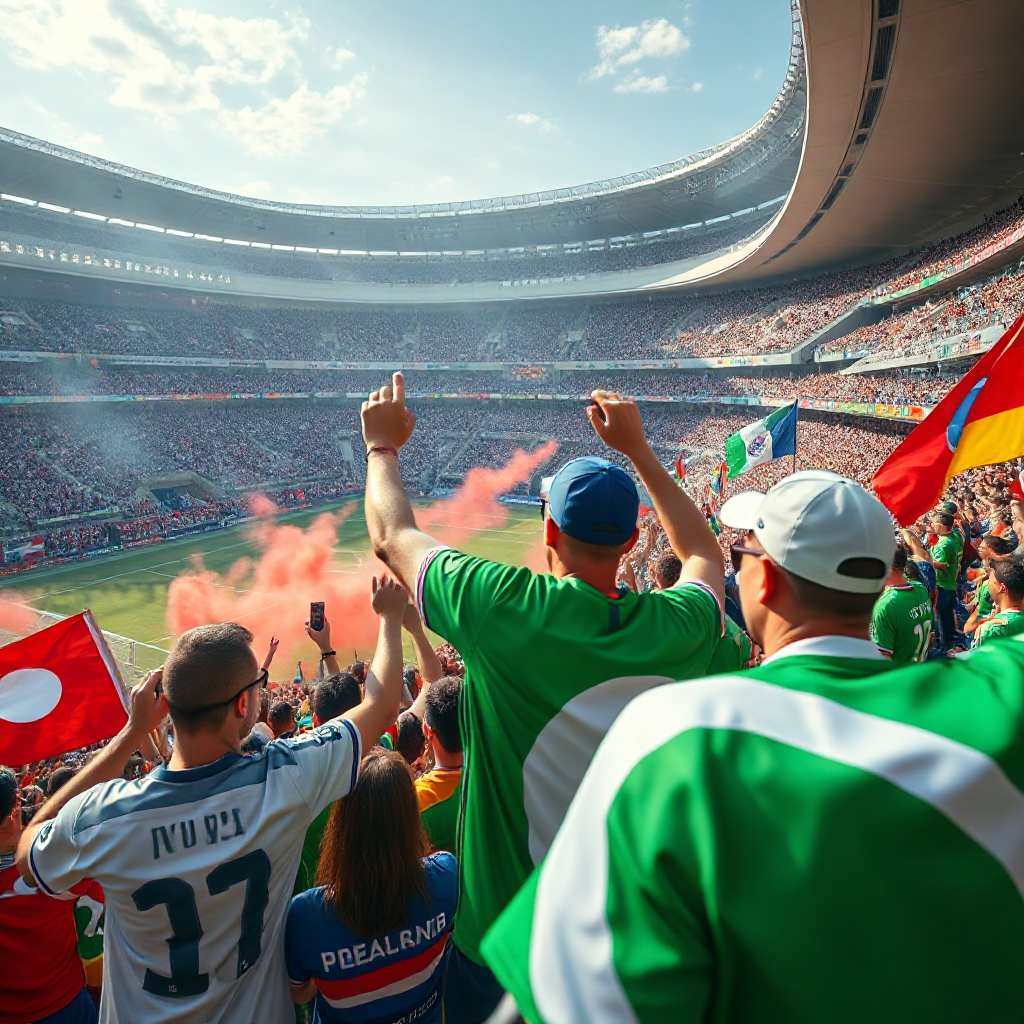
Fan engagement channels reflected measured optimism tempered by realistic expectations. Supporter forums and verified social media accounts discussed tactical execution, rotation necessity, and upcoming scheduling pressures. Several discussion threads examined how defensive organization improved during away assignments, while others analyzed midfield workload distribution and substitution timing. Constructive debate dominated public discourse, with community moderators actively steering conversations toward analytical observation rather than reactive criticism. This maturation in fan dialogue mirrors broader trends in modern football consumption, where data literacy and tactical appreciation shape narrative formation.
Independent journalists and accredited reporters noted that official club messaging deliberately avoided comparative rankings, instead focusing on internal benchmarks and process-oriented evaluation. This approach reduces external pressure while preserving psychological stability within dressing rooms. Media outlets covering the event corroborated that locker room atmosphere remained focused, with players acknowledging the achievement while immediately redirecting attention toward fixture consolidation and recovery protocols.

Upcoming Fixtures and Strategic Outlook
Looking ahead, both organizations face scheduling complexities that will test roster depth and tactical adaptability. Paris Saint-Germin must navigate domestic cup commitments alongside potential continental obligations, requiring careful management of physical load and injury prevention protocols. Rotation strategies will likely emphasize high-impact performers during critical windows while integrating younger squad members to maintain competitive sharpness. Set-piece refinement and wide delivery accuracy remain priority development areas, particularly given the increasing frequency of tightly contested matches where marginal advantages determine progression.
Olympique Lyonnais confronts a demanding sequence of away engagements that demand consistent defensive discipline and efficient transition execution. Managing travel logistics, pitch conditions, and referee tendencies will influence preparation methods. Coaching staff are expected to prioritize situational drills that simulate high-pressure scenarios, ensuring players retain composure when facing sustained opposition attacks. Midfield ball retention under duress and defensive line synchronization represent critical focal points for upcoming sessions.
For continuous matchday tracking and verified score updates, further reference: https://hitclub6.us.com/. Analysts recommend monitoring official club injury reports, league scheduling announcements, and licensed broadcast previews to anticipate lineup adjustments. Tactical evolution will likely center on enhancing pressing triggers, improving second-ball competition, and optimizing substitute impact timing. Clubs that integrate these elements cohesively will maximize their probability of achieving seasonal targets.
Recommendations by Reader Group: Supporters and independent analysts suggest prioritizing official league applications and accredited media channels for real-time verification, as third-party aggregators occasionally delay statistical corrections. Readers should cross-reference managerial press conferences with post-match tactical breakdowns to separate rhetorical messaging from operational reality. Tracking fixture difficulty indices, player availability updates, and referee appointment trends provides clearer context for evaluating future performances. Maintaining disciplined information sourcing prevents misinterpretation of preliminary data and supports more accurate seasonal forecasting.
Frequently Asked Questions
- How are official match results validated after the final whistle? Referee match reports, fourth-official logs, and league database uploads undergo automated verification before publication in the official bulletin system.
- Why do some tracking platforms show different possession or shot metrics initially? Real-time overlay systems prioritize speed over final archival correction. Official statistics typically resolve minor discrepancies within twenty-four hours of match completion.
- What factors most influence squad rotation during congested fixture periods? Physical load monitoring, injury risk assessment, tactical matchup requirements, and recovery protocol adherence drive rotation decisions.
- Where can readers access reliable tactical analysis beyond basic scorelines? Accredited sports journalism outlets, licensed broadcast production teams, and official club analytics divisions provide structured breakdowns grounded in verified match footage.